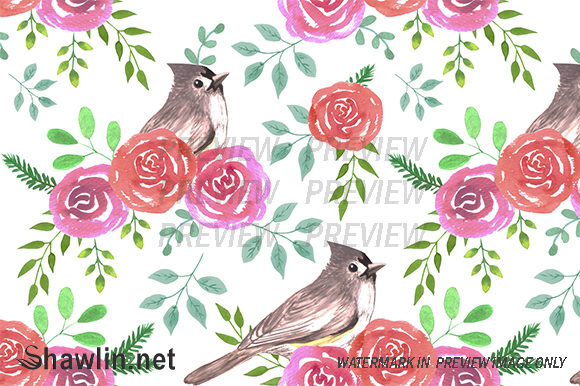
Tufted Titmouse and Roses
As an embroidery designer and product reviewer, I’ve seen thousands of machine embroidery designs. Tufted Titmouse and Roses stands out not just for its visual appeal but for how it translates into real-world projects. Whether you're creating custom apparel, personalized gifts, or small business merchandise, this design has a clear purpose and personality. Let’s break down what makes it work—and where it might need a little extra care.
The First Impression: A Delicate Balance of Nature and Elegance
From the moment I opened the file, Tufted Titmouse and Roses felt like a breath of fresh air. The composition is thoughtful—two main elements, the bird and the roses, arranged in a way that feels natural yet intentional. The titmouse is rendered with a softness that suggests a gentle, nature-inspired theme, while the roses add a touch of classic elegance. This combination makes it ideal for products that aim to feel both charming and refined.
The layout is well-structured, with enough negative space to prevent the design from feeling cluttered. It’s not overly busy, which is a big plus for embroidery projects that need to maintain clarity at smaller sizes. The detail level is moderate, making it suitable for a range of fabric types and project scales.
Real-World Embroidery Performance: Where It Shines and Where It Needs Attention
When I tested Tufted Titmouse and Roses on a variety of fabrics, it performed well on medium-weight cottons, linen, and even some lightweight wovens. The stitch density is balanced, so it doesn’t overwhelm the fabric or cause puckering. However, there are a few areas where caution is needed.
On thin or stretchy fabrics, the design may require additional stabilizer to prevent distortion. The roses, especially the petals, have a mix of satin and fill stitches that can be tricky on textured materials. For a tote bag design or sweatshirt embroidery, this is manageable, but for baby clothes or delicate items, extra attention to stabilizer and hoop size is essential.
The titmouse itself has fine details that could be lost if the hoop size is too small. If you’re planning to use this on a cap or a patch, make sure your hoop accommodates the full design. Otherwise, you might end up with a cropped version that doesn’t do the original justice.
Best Fit for Projects: Handmade Products That Tell a Story
Tufted Titmouse and Roses feels like it belongs on items that carry emotional weight—personalized gifts, nursery decor, or holiday embroidery. Its delicate aesthetic makes it perfect for embroidered patches, pillow covers, or tea towels that customers will want to display or gift. It also works well as a digital embroidery file for Etsy sellers or small shop products looking to offer unique, handcrafted items.
If you're an apparel decorator or a craft business owner, this design could be a strong addition to your collection. It’s versatile enough to work on t-shirts, tote bags, or even aprons, but it truly shines when given a bit of space to breathe. For commercial embroidery projects, it offers a professional look without being too flashy.
Where to Be Cautious: Fabric, Size, and Detail Considerations
While Tufted Titmouse and Roses is generally user-friendly, there are a few scenarios where it might not perform as expected. On dark fabrics, the thread colors may not stand out as much, especially if the design uses lighter shades. Testing it in black and white mockups can help you understand how it will appear before committing to a specific color scheme.
The design also includes some intricate corners and small details, such as the bird’s eye and the rose stems. These elements can be challenging on curved surfaces like caps or on garments with complex shapes. If you’re planning to use it on a hat or a patch, double-check how the design translates to those formats.
For those selling finished products, it’s important to confirm the licensing terms before using the design commercially. Even if the design looks great, you don’t want to run into issues later. Also, always test the design on scrap fabric first to ensure it works with your preferred thread colors and stabilizer type.
Design Notes for Embroidery Professionals and Creative Entrepreneurs
Here are a few practical tips I’d recommend for anyone planning to use Tufted Titmouse and Roses:
- Test on scrap fabric before committing to a final project.
- Check thread color contrast against your chosen fabric to ensure visibility.
- Review stitch density to avoid overworking the fabric or causing puckering.
- Confirm hoop size to accommodate the entire design, especially for small or detailed areas.
- Inspect small details like the titmouse’s feathers and rose petals for clarity.
- Test in black and white mockups to see how the design looks without color.
- Compare light and dark fabric backgrounds to ensure versatility.
- Use proper stabilizer for stretchy or thin fabrics.
- Verify licensing before selling finished items or digital products.
These steps can save time, reduce errors, and ensure that your final product meets your expectations and those of your customers.
Final Thoughts: A Design That Feels Thoughtful and Practical
Tufted Titmouse and Roses isn’t just another pretty design—it’s one that invites careful consideration. From its soft, nature-inspired theme to its balanced layout, it offers a lot of potential for creative applications. Whether you're working on a custom apparel project, a handmade gift, or a small business product, this design has the right mix of charm and functionality to stand out.
With a little attention to detail and proper preparation, Tufted Titmouse and Roses can become a valuable part of your embroidery project portfolio. It’s a design that rewards thoughtful execution and offers a sense of craftsmanship that customers will appreciate.